Scandinavian Simplicity: Where Form and Function Merge

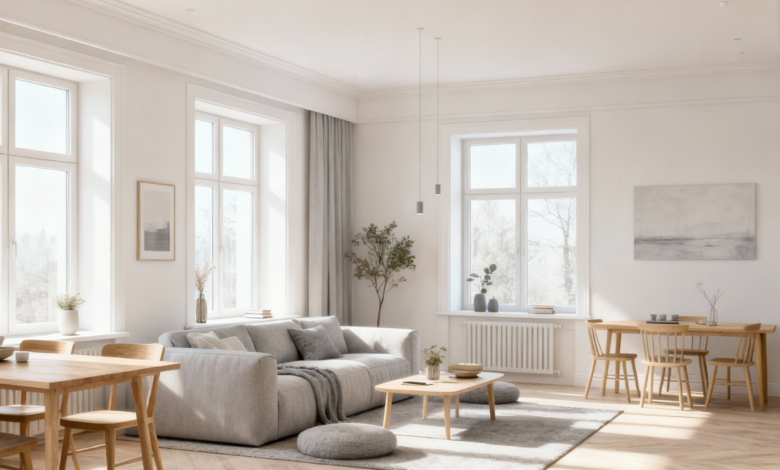
Scandinavian designs are known to act as a pointer to design excellence within the design community of Europe and are greatly admired worldwide due to the smooth integration of functionality, beauty, and comfort. Scandinavian designs are marked by elements such as simplicity, geometric designs, and the optimal use of light and environmental elements, giving Scandinavian designs an aesthetic look, which is warm and very functional.
The Philosophy Behind Scandinavian Design
In essence, Scandinavian Simplicity is based on the ‘form follows function’ ideology and is implemented on the principles of human centric design. Every detail, each element, and every part of a design is selected to not only function but to also add value to it. Natural elements such as oak wood, pine wood, stones, and linen add to the coziness, texture, and elegance associated with Scandinavian design. The Scandinavian design philosophy emphasizes simplification and avoids incorporating elements which add to the complexity of design.
Materiality and Texture
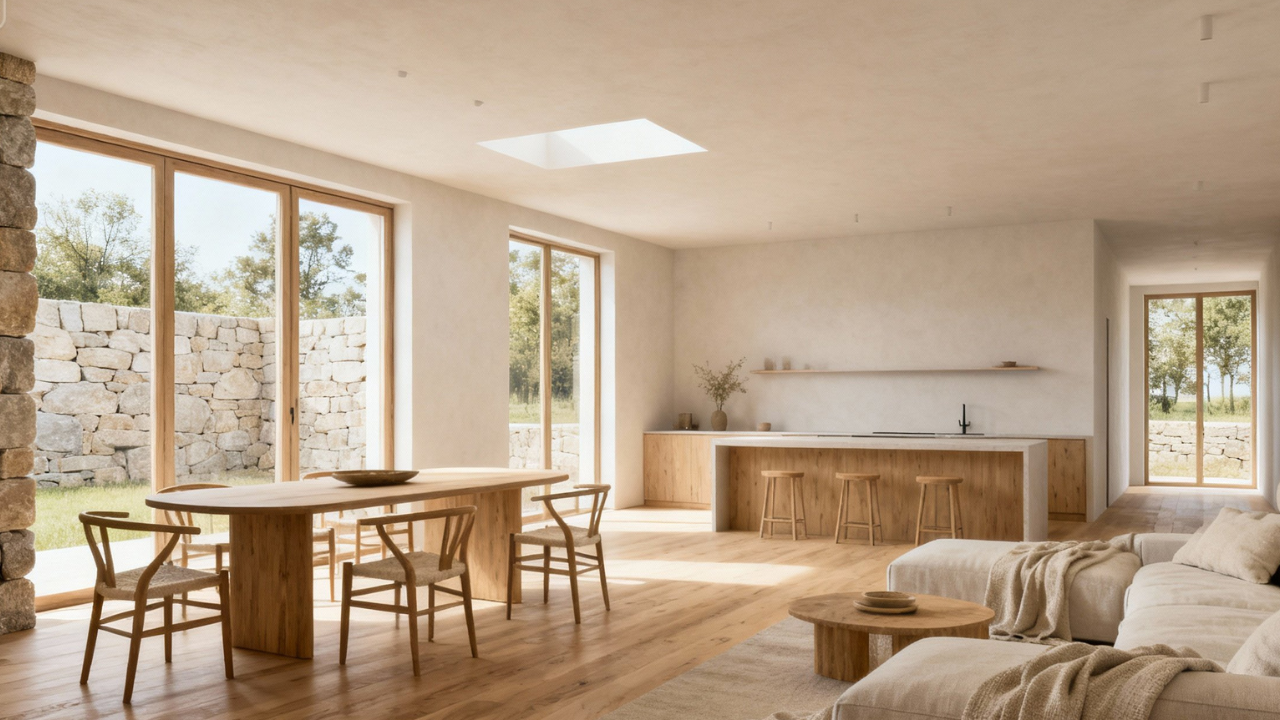
Natural materials such as wood, bamboo, and stone are used extensively to create a tactile connection with the surrounding environment. Texture is also important to develop a relation with nature. Light-colored wood floors, matte paint on the walls, wool blankets on minimalistic furniture, and stones on the interior design add to the perception. Combination of smooth and rough textures also adds to the dynamic element, which also combines with the concept of minimalistic design, so the design will surely develop a sensory and lived-in look.
The Role of Light
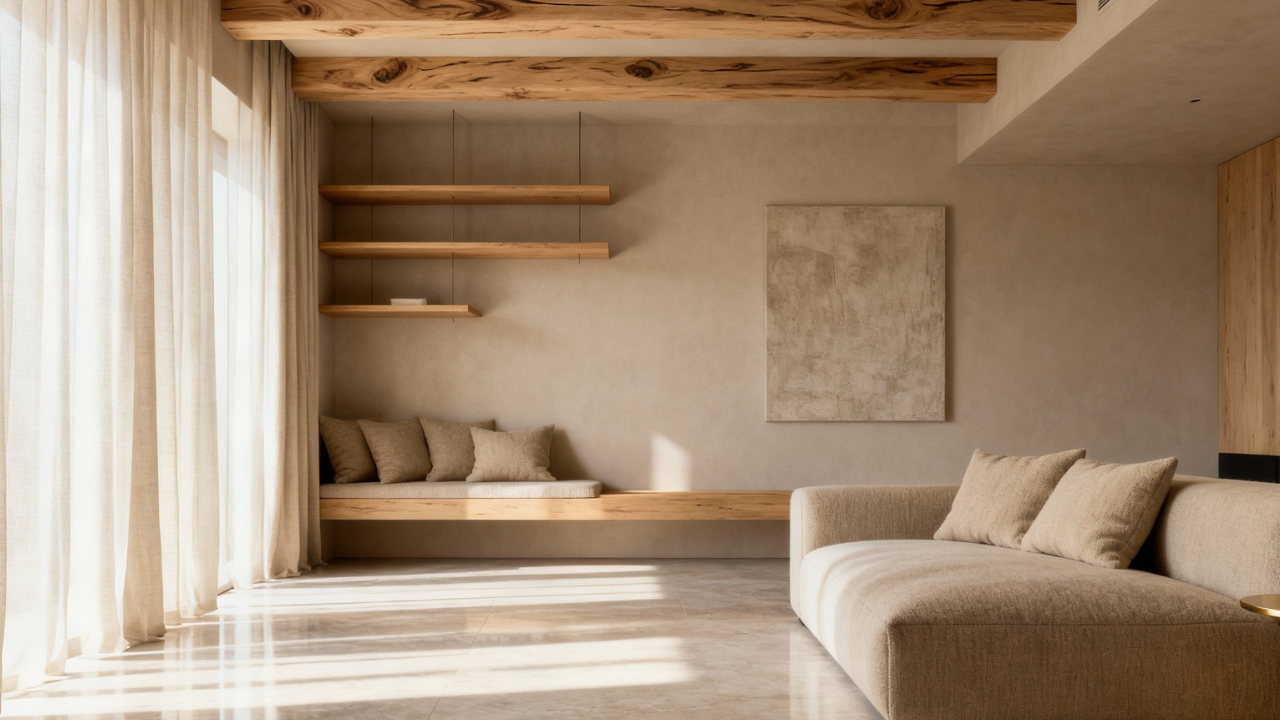
Natural light is also a very strong element of Scandinavian design, and it is a consideration due to the long winter and the scarcity of natural light within Scandinavian climate conditions. Large windows and materials that reflect light are used to increase light within interiors, which creates contrast between light and dark. Lighting is used to light up spaces, but it is also used to establish mood and to convey calm.
Balance between Space and Functionality
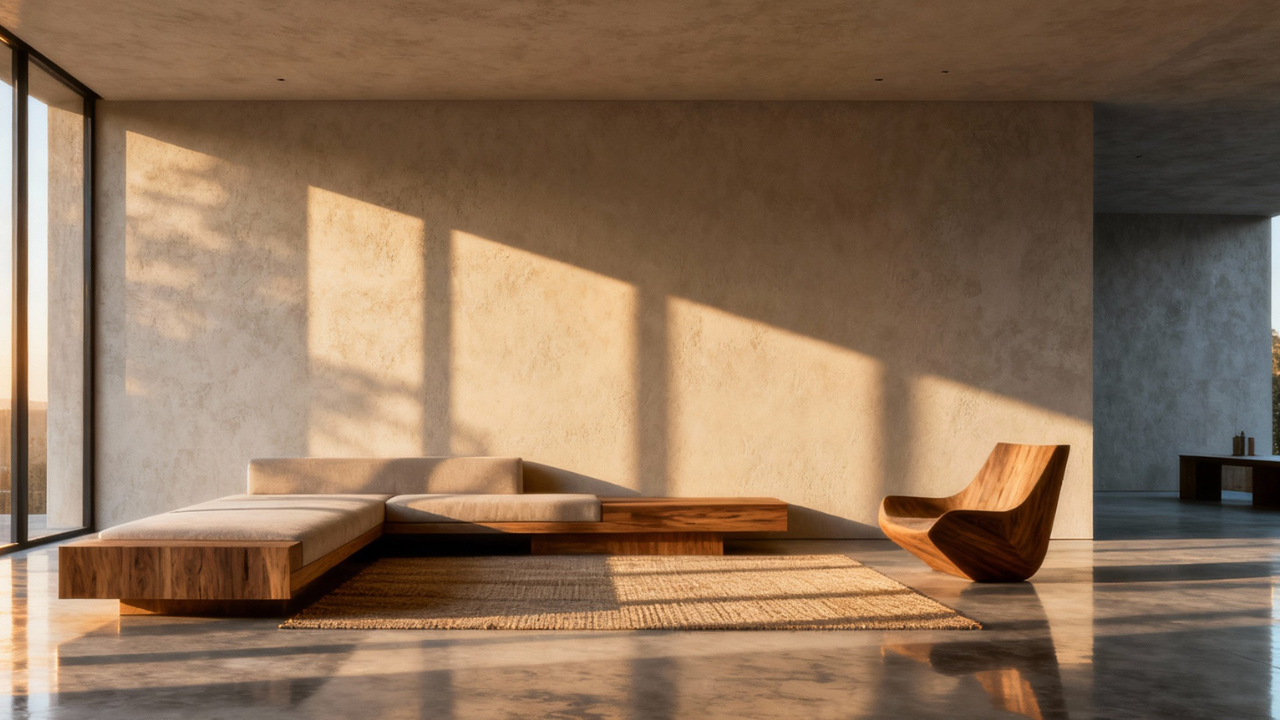
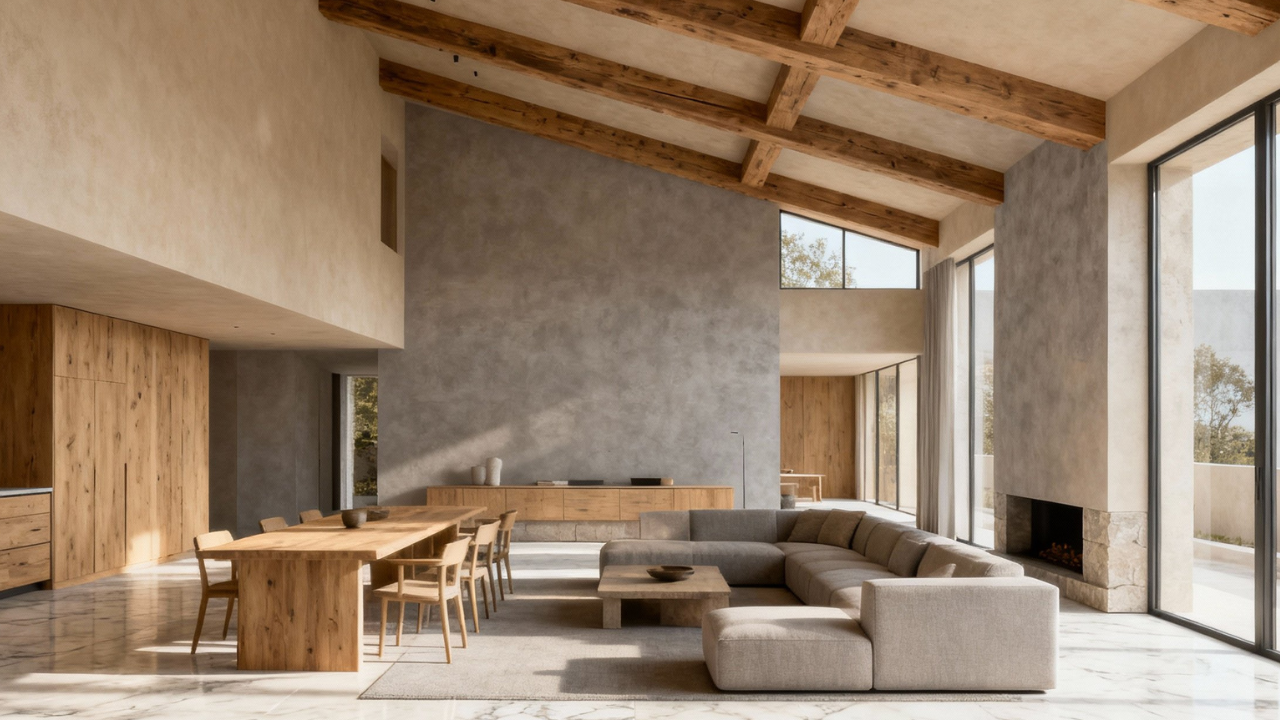
Spatial organization is the most essential element to achieve comfort and efficiency. Open planning, modulated furniture, and cleverly integrated storage spaces result in a fluid and dynamic atmosphere, which enables residents to zone areas to match specific purposes while also incorporating calm spaces. As such, every single corner of the residence is optimized and efficient.
Conclusion
Scandinavian Simplicity speaks to the fact that Scandinavian design is not merely about attention to detail but is embedded in a philosophy of life. Scandinavian design achieves harmony between function, materials, texture, and light to generate spaces radiating brightness, warmth, and the human touch, which are classic.