Post-Minimalist Architecture: A Warmer, More Human Evolution of Simplicity

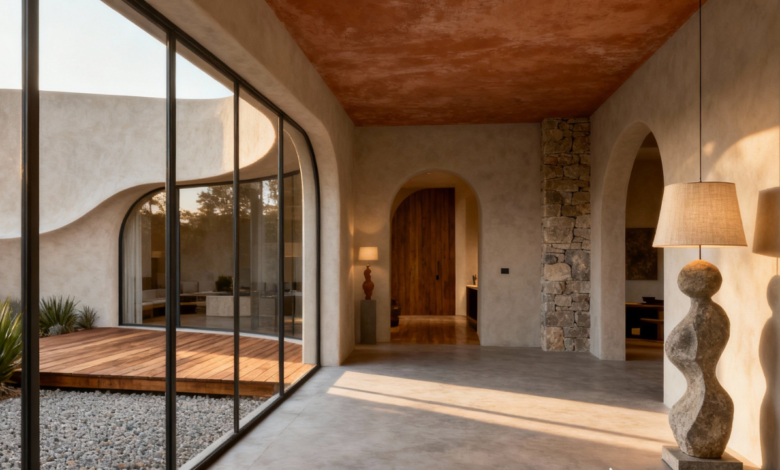
This new generation of minimalist architecture appears as a soft upgrade from the original minimalist design, reacting to the perception that overly clean and sterile spaces were no longer an effective representation of the emotional needs of modern-day humans. Ultimately, despite the fact that it maintains the same simplicity, it brings new elements into play, such as texture and light, and therefore creates residences that are warm and alive.
Carving Beauty that seeks no Limelight
The beauty of post-minimalism appears, not in overt design, but in the subtle, such as the soft passage of natural light through the wood, the tactile quality of linen, and the warm, neutral tones that soothe the eye. Therein lies the aesthetics that creates harmony without having to overdress the design.
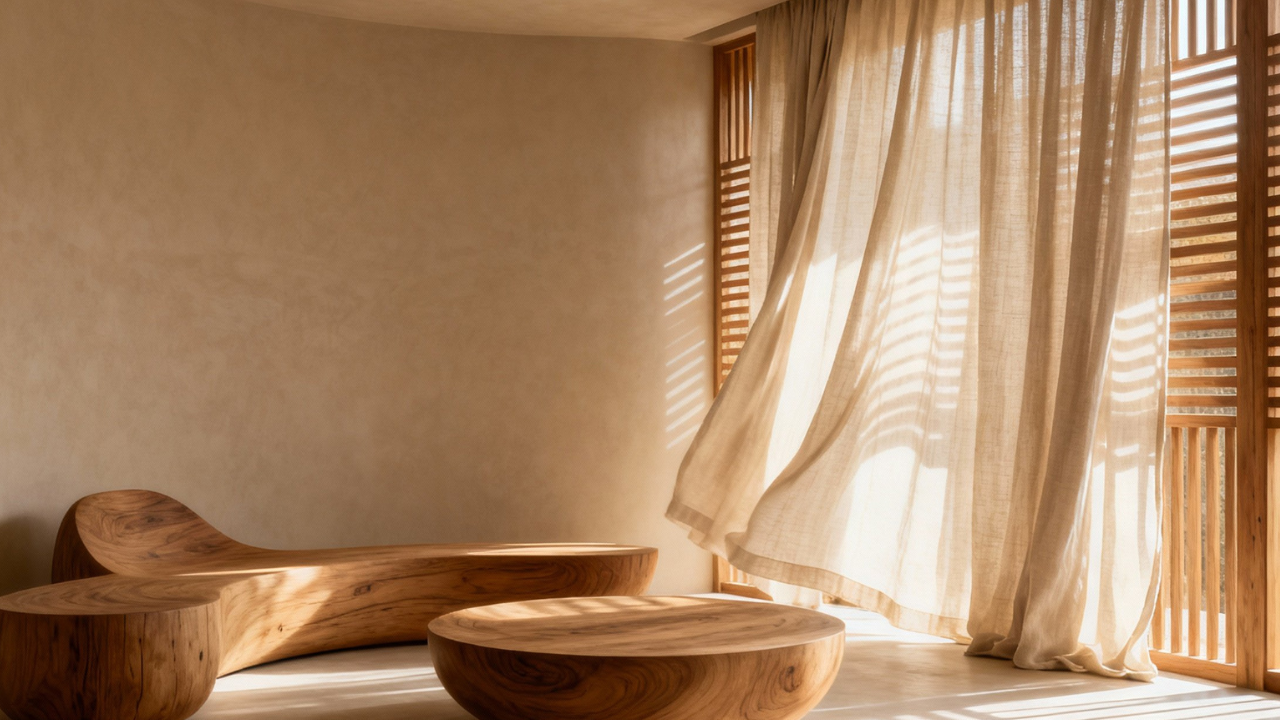
Organic Materials and the Basis of Warmth
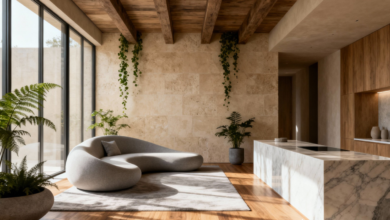
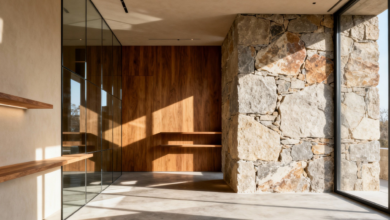
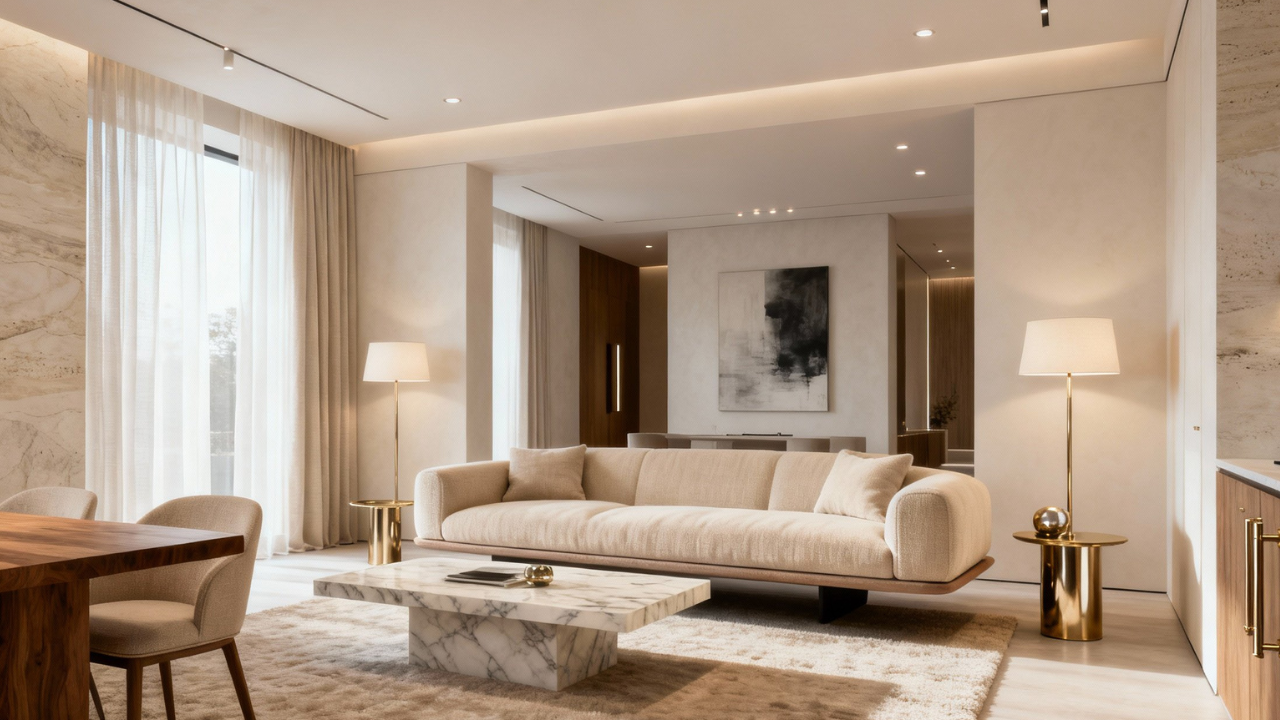
Material choice marks an integral element of the post-minimalist strategy. Use of natural woods, stone, linen, and matte finishes introduces depth and variety into the space through both visual and haptic experiences. All the surfaces are tactile and emotionally engaging, offering an ambiance of home that feels close and warm. These natural elements, therefore, ensure that the simplicity of the form achieved is tempered by the natural quality.
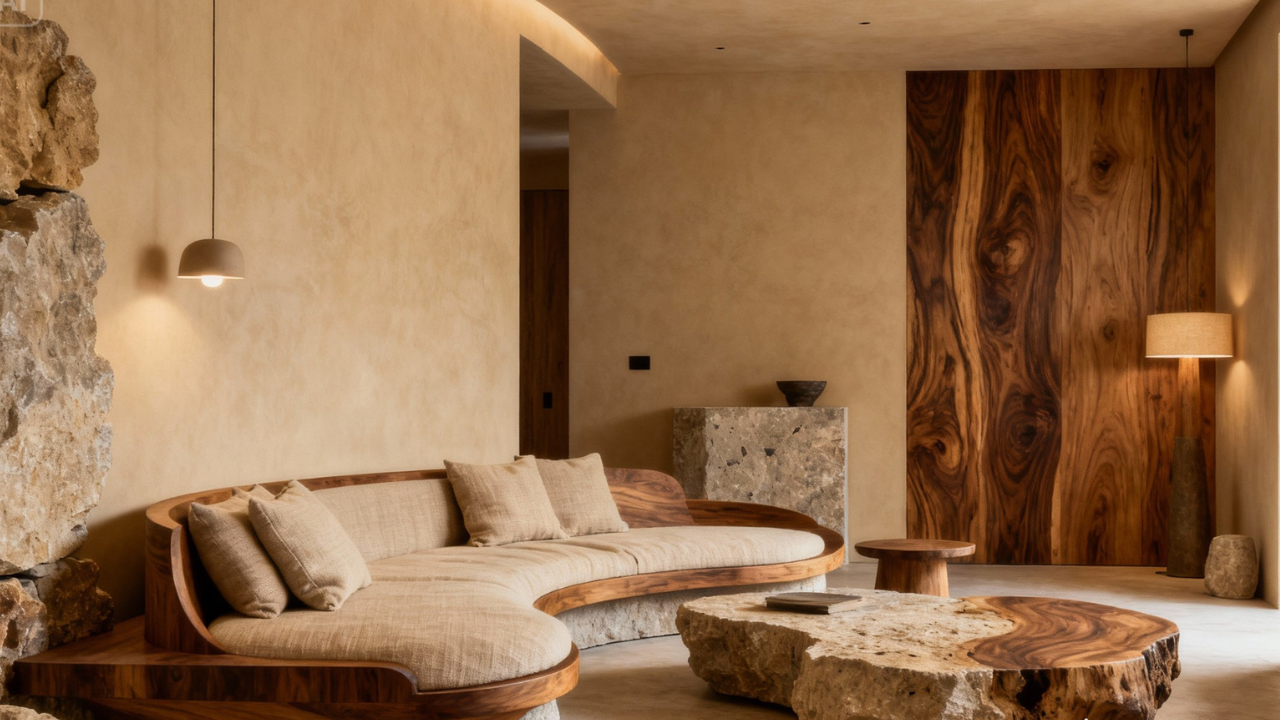
A Space That Breathes
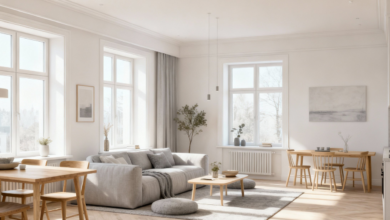
Even today, post-minimalism maintains the use of space as the medium of calm, but the empty space is never experienced as cold. The use of warm textures and the seamless transition into space makes the visual calm comfortable and soothing. This makes space not only an organized space but a refuge for psychological well-being.
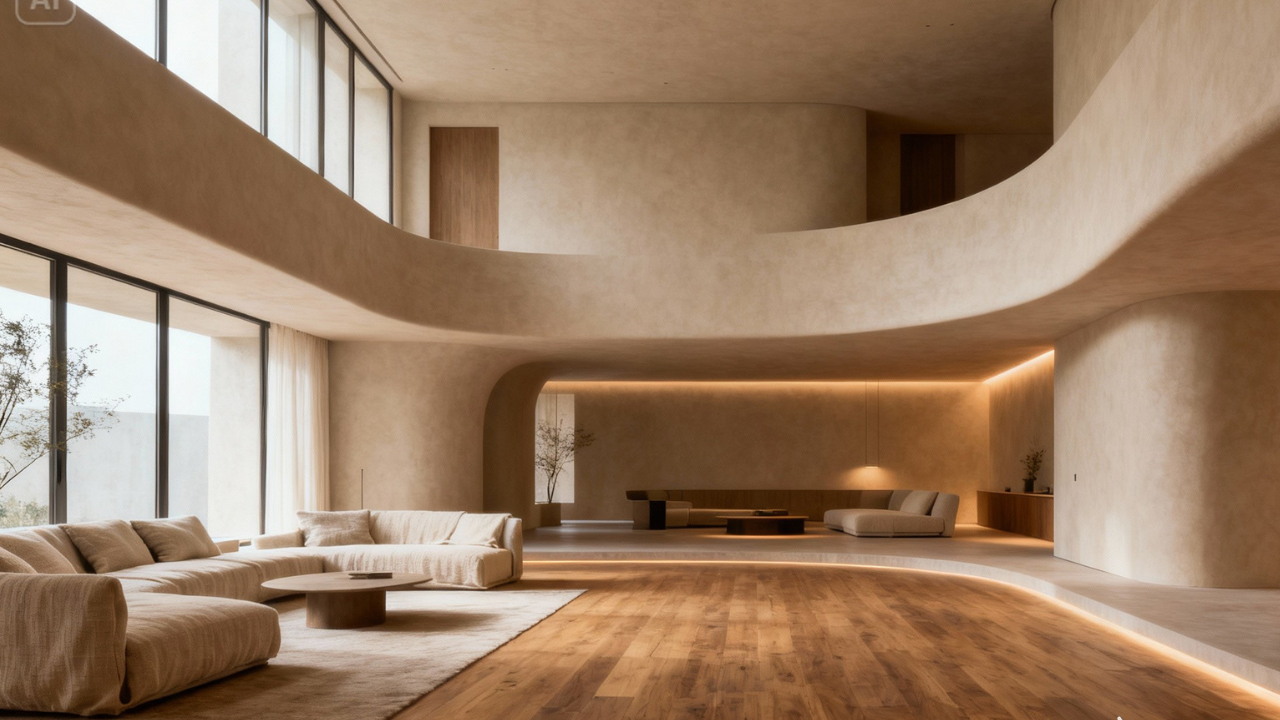
Light as a Language of Emotion
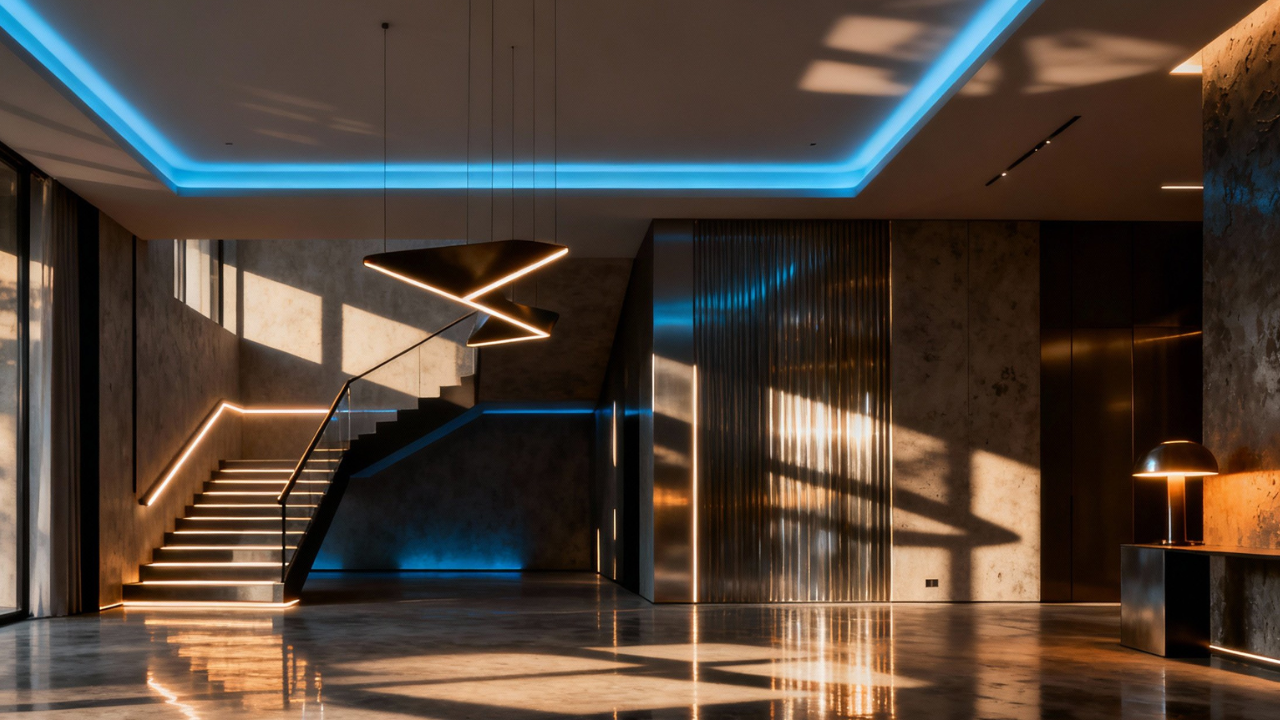
In the world of post-minimalism, light transcends the boundaries of light as an illumination source and becomes an emotional story. Soft morning light creates a distinct ambiance, the use of warm-toned lighting creates an element of play and comfort during the night, and the shadows created on the textured walls are aesthetically attractive. Every aspect of light layers the desired mood.
A High-Quality Neutral Palette
The use of the neutral color palette that characterizes post-minimalism cannot be arbitrary. Colors such as oatmilk, warm gray, stone beige, and clay brown ensure depth without undermining serenity. This palette provides an elegant and timeless visual balance.
Conclusion
The design that post-minimalist architecture offers can be said to represent the contemporary approach to simplicity—one that is far more human, warm, and full of emotional depth. This design offers living spaces that, far from merely aesthetically pleasing, offers emotional and functional enhancement potential for the user, and truly represents an alive simplicity.