
Beyond Static Screens: Powerful Roles of Motion and Animation in Modern UI Design

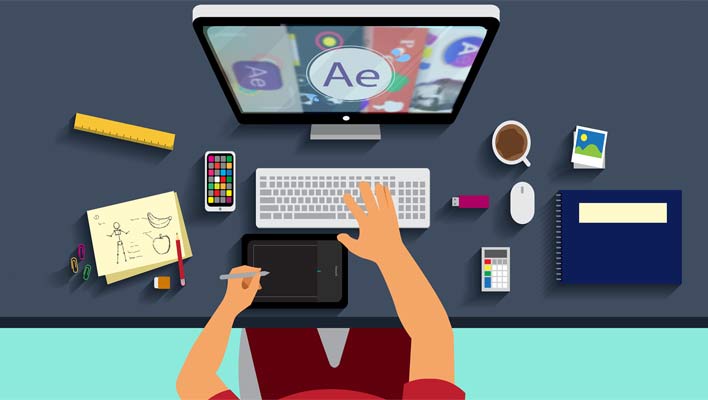
The expectations of today’s users don’t lie in static visuals or straightforward interactions but in instinctive, engaging, aesthetically dynamic digital experiences. From 20-to-50-year-old users, the trend has raised the status of motion and animation in UI design. Motion today is not decorative; it plays a strategic role in guiding attention, improving usability, and strengthening emotional connection between users and digital products.
Meaningful Motion for a Better User Experience
This is a functional tool that allows you to convey clarity and understanding to users. Using micro-interactions, such as animated buttons, hover effects, and loaders, plays a crucial role in providing feedback to users and reassuring them about the actions they have taken. These small cues give users greater control and reduce the likelihood of confusion when navigating various transitions. Smooth transitions between screens and elements maintain continuity and create a smooth and cohesive user experience. Well-implemented motion enhances usability, making the interface feel more human and responsive.
Guiding Attention and Improving Navigation
Animations also contribute a lot to directing attention and building strong visual hierarchies. With motion, designers manage to point out where the user shall pay more attention, what is new, and what is next. A soft slide animation may, for example, show more options without overwhelming the user, while an icon that bounces draws attention by a gentle hint toward the call-to-action. These directional cues allow users to perceive where they should look and how to interact, making navigation of digital platforms far smoother and intuitive.
Brand Identity and Emotional Connection
More than functionality, motion introduces emotion and brand identity: style, speed, and rhythm of animations may be indicative of a brand being playful, elegant, bold, or minimalistic. Intentional motion design assigns memorability and personality to digital interactions. A clever sequence of animation triggers delights, reinforces trust, and inspires further activity. Brands in the increasingly competitive digital arena lean ever more on motion as part of how they forge a signature experience which will resonate with users.
Balancing Creativity with Performance and Accessibility
While motion brings many advantages, use it judiciously. Excessive or irrelevant animation can be distracting to users and degrade performance, especially on mobile devices. Designers should ensure animations are optimized, lightweight, and fit for purpose. Accessibility is another important consideration; some users may find intense motion uncomfortable or difficult. When possible, providing options to reduce motion and ensuring animations support usability rather than hinder it are key best practices in responsible UI design. The idea is to create experiences that are visually appealing and accessible to everyone.

Closing Remarks
Motion and animation have become cornerstones of modern UI design, influencing how users interact with digital products every day. By directing attention, supporting usability, expressing brand identity, and creating emotional connections, motion allows meaning within interfaces to come to life in new ways. When applied thoughtfully and purposefully, animation becomes more than just an aesthetic enhancement—it is a powerful tool in the quest to enhance digital experiences and forge stronger user connections in today’s dynamic digital world.